
You don’t need another diet.
You need answers that fit your actual life.
I’m Maya Chen, RD — a registered dietitian who translates evidence-based nutrition into plans you can actually cook on a Tuesday night after work.
The questions you’ve been Googling at midnight.
“Why can't I lose weight even though I'm eating less?”
This is the question I hear most from burned-out professionals. The answer always surprises them.
Eating less is not the same as eating right. When you cut calories too aggressively, your body reads it as a threat and slows your metabolism — sometimes by 20–30%. Add chronic stress and poor sleep to the mix, and cortisol actively tells your body to hold onto fat, especially around the midsection. The answer isn't less food. It's the right food, timed strategically, with enough protein to keep your metabolism running.
“My doctor told me to 'clean up my diet.' What does that actually mean?”
If you were recently diagnosed as pre-diabetic, this answer was written specifically for you.
"Clean eating" is one of the most frustrating phrases in medicine — doctors mean well, but they rarely have time to explain. For a pre-diabetic, it means this: prioritize protein and fiber at every meal to slow glucose absorption, cut out liquid sugar first (juice, sweetened coffee, soda), and stop skipping meals, which causes the blood sugar spikes you're trying to avoid. No keto required. No eliminating food groups. Just sequencing.
“I'm a new mom running on four hours of sleep. How do I eat well right now?”
Sustainable, not perfect. You deserve grace right now.
If the free answers are helping, the paid guidance goes much deeper.
Book Your Free 20-Min CallYou don't optimize right now — you stabilize. The goal in early postpartum isn't weight loss or perfect nutrition. It's blood sugar stability so you don't crash at 3pm, adequate iron and B12 so the brain fog lifts a little, and enough calories to support milk production if you're nursing. Three things: a protein-forward breakfast within 90 minutes of waking, a handful of nuts or a boiled egg as an afternoon anchor, and a warm dinner with at least one cooked vegetable. That's it. Everything else can wait.
“Why am I so tired all the time even when I sleep enough?”
If you've been told "everything looks normal" but still feel exhausted, ask for a ferritin test specifically.
Fatigue that sleep doesn't fix is almost always nutritional. The three most common culprits I see: low ferritin (iron stores — your doctor may say your iron is 'normal' but your ferritin is depleted), insufficient dietary fat leading to hormonal disruption, and a protein intake so low that your body is cannibalizing muscle for energy. A full nutritional blood panel — not just a standard CBC — tells the whole story. In the meantime, adding 20–30g of protein to breakfast changes how most people feel within a week.
“What's the difference between a dietitian and a nutritionist?”
You deserve credentials you can verify.
A registered dietitian (RD) has completed a four-year degree in nutrition science, a supervised clinical internship, and passed a national board exam. The title is legally protected. "Nutritionist" is unregulated in most states — anyone can use it. This matters because nutrition advice that's wrong isn't just ineffective; for someone managing pre-diabetes or postpartum recovery, it can cause harm. When you work with me, you're working with someone accountable to a professional board, not just a wellness brand.
You don’t need to fit a mold. You need a plan that fits you.
Three kinds of people find me. All three leave with something they can actually use.

You eat well "when you have time." The problem is, you never have time.
You know what you should eat. You just can't execute it at 7pm after back-to-back meetings. We build a system that works with your schedule — not a fantasy version of it.
“73% of my clients are professionals who meal-prepped once and gave up”

Your needs matter too — not just the baby's.
Postpartum nutrition is wildly under-discussed. We focus on what actually restores your energy, supports your hormones, and fits a life where you have approximately 4 minutes to eat.
“Most new moms are deficient in 3+ key nutrients by 6 weeks postpartum”
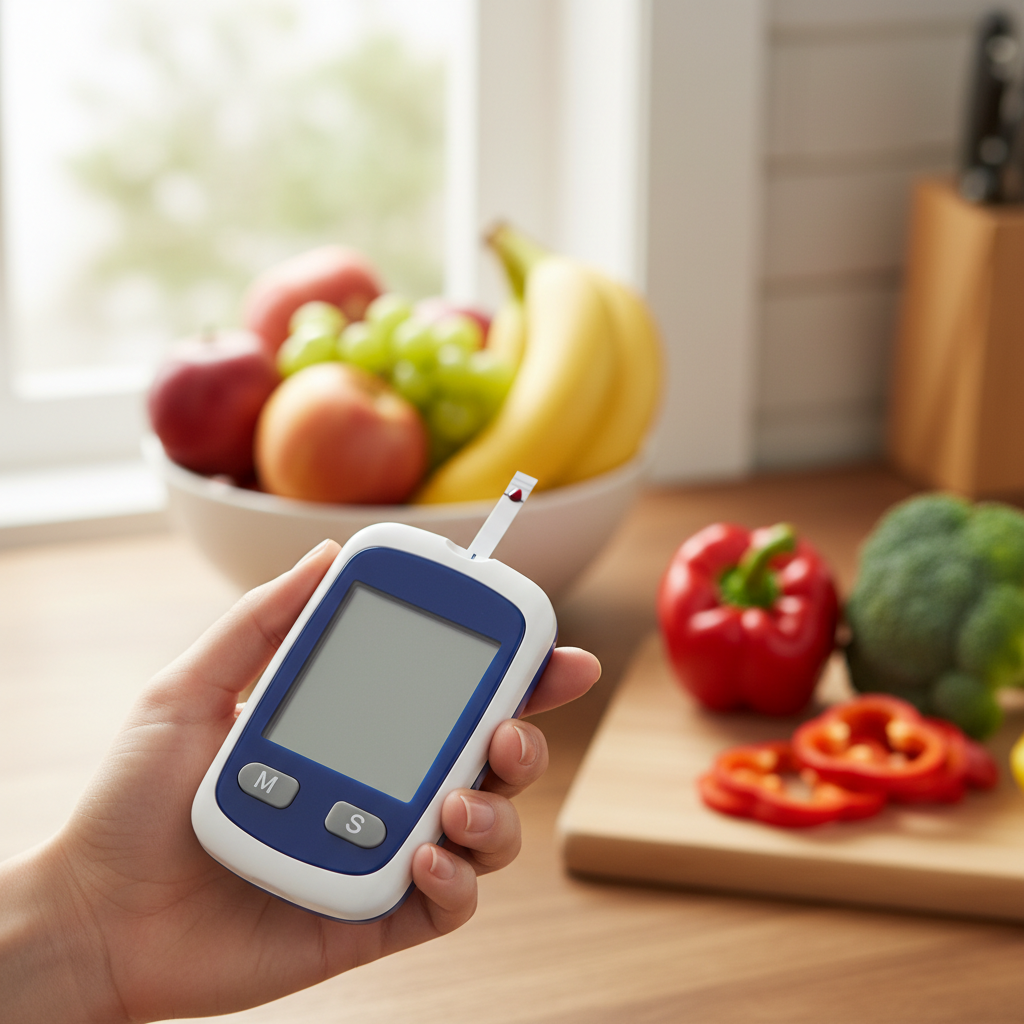
"Clean up your diet" is not a plan. This is.
You left your doctor's office with a diagnosis and no roadmap. I give you the specific, sequenced plan that reverses the trajectory — without eliminating everything you love.
“Pre-diabetes is reversible in 60–70% of cases with dietary changes alone”
The answers here are free.
The plan is what changes things.
A free 20-minute call with Maya. No sales pitch. Just a real conversation about what’s not working — and whether I can help.
Book Your Free 20-Minute CallNo obligation. No upsell. You’ll leave with clarity either way.